AI Adventures for Kindergarten

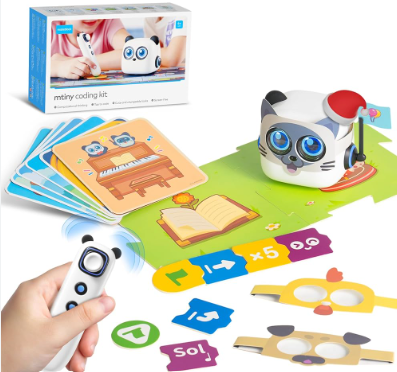
Discover & Innovate with MTINY

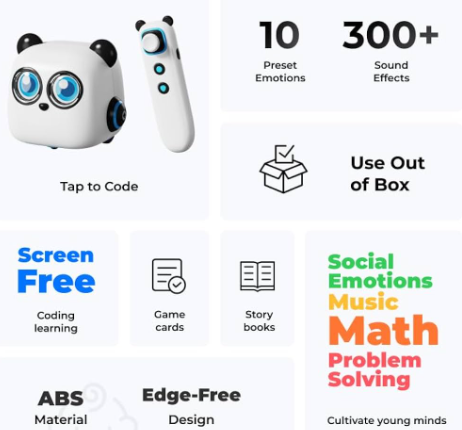
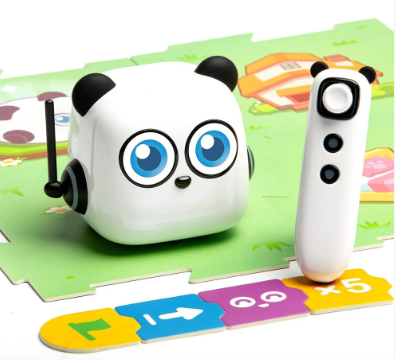
This program introduces young learners to educational robotics (MTINY) and shows them how to use these tools in a fun and interactive way. It teaches basic programming and early artificial intelligence concepts in a simplified, age-appropriate manner.

Program Highlights:

  •  Introducing children to the concept of educational robots (MTINY) and their usage
  • Teaching basic programming and robotics in an engaging and interactive way
  • Introducing early AI concepts in a simplified form suitable for children

  • Integrating robots into various educational activities to enhance holistic learning, including math, language, and science concepts

  • Developing motor and cognitive skills through interaction with robots

  • Enhancing logical thinking, problem-solving, and creativity

Educational Package Modules:
  1. Introduction to Robotics and Programming
  2. Exploring the World with Robots
  3. Robots, Arts, and Music
  4. Robots and Artificial Intelligence
  5. Challenges and Creative Projects
This training package enables students to learn in an innovative way that integrates technology with the curriculum, while equipping them with future-ready skills such as programming and artificial intelligence.

Stem Program using LEGO WEDO 2.0

Program duration (8-9 months)

1 period/class/ week

Target Audience: Early elementary students
This program is delivered by adding a Robotics class to the school timetable. It focuses on developing students’ scientific and engineering thinking skills through hands-on interactive learning.

Program Objectives:

  • Understand basic principles of robotics and engineering

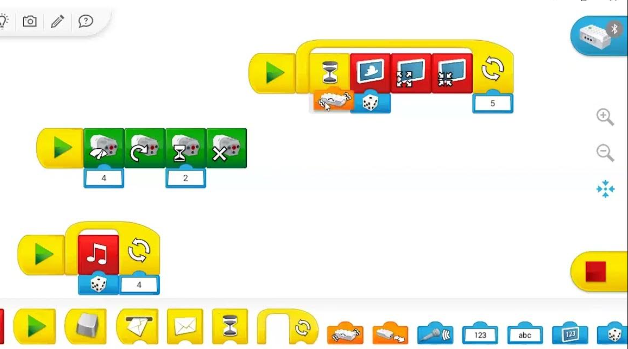
  • Program robots using a visual programming environment

  • Use sensors and motors

  • Apply scientific concepts such as motion, speed, energy, and balance

  • Work in teams to solve engineering challenges

Teaching Approach:

  • Project-Based Learning (PBL)

  • Learning through Play

  • Collaborative Learning

  • Design Thinking

Practical vs. Theoretical Ratio:

  • 80% Hands-on Practice

  • 20% Theoretical Explanation

Program Overview:
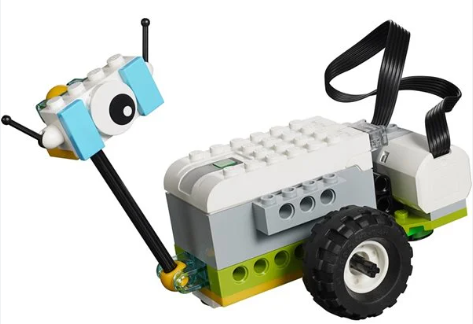
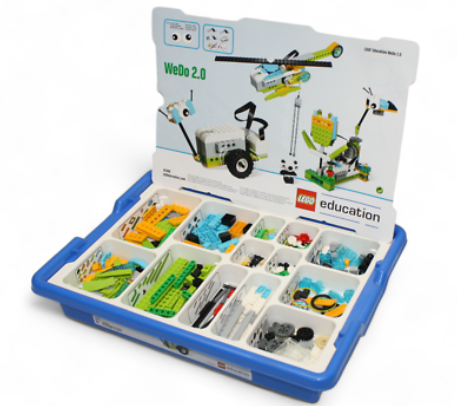
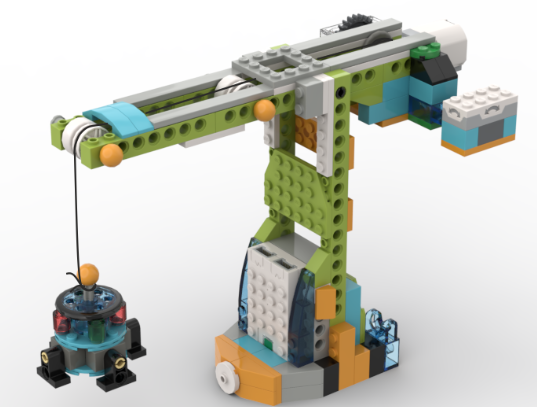
The STEM program using WeDo LEGO enables students to build real robotic models and program them to solve real-world challenges in a fun and interactive way. It emphasizes learning by doing, creativity, and teamwork while making complex scientific and engineering concepts accessible for young learners.

Game Design and Programming Course

Program duration (8-9 months)

1 period/class/ week

Target Audience: 10yrs + Students
Training Modules:
  • Principles of Game Design

  • Character and Level Design

  • 2D Game Programming

  • User Experience (UX) and Gameplay Mechanics


Course Overview:
This course provides a comprehensive introduction to game design and development. Students learn how to create both educational and entertainment games, with a focus on 2D game development

The course covers game design principles, gameplay mechanics, user experience, and level building.

Capstone Project:
The course concludes with a final project where each student designs and programs a complete game based on their own original idea.


Python Programming language

Program duration (8-9 months)

1 period/class/ week

Target Audience: 10yrs + Students

Training Modules:

  • Basics of Programming and Data Analysis

  • Game and Application Development

  • User Interface (UI) Design, User Experience (UX), and Website Development

  • Teamwork and Project Development


Program Overview:
This educational program in Python is designed for students aged 10 to 17, introducing them to programming fundamentals through simplified lessons and fun, age-appropriate projects.

 The program aims to develop logical thinking, problem-solving skills, and build a strong foundation in programming in an interactive and engaging way.

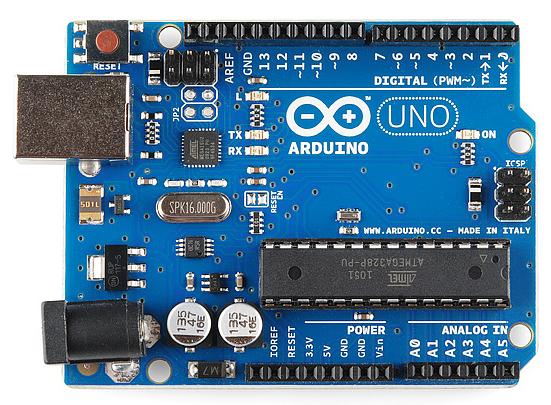
Microcontrollers Course (ARDUINO)

Training Modules:
  1. Fundamentals of Electronics and Control
  2. Reading and Connecting Sensors
  3. Building Smart Systems
  4. Implementing Practical Projects
 

Course Overview:
This course introduces students to the basics of embedded systems and intelligent control using Arduino.


It begins with fundamental electronics concepts, then progresses to connecting sensors and actuators, and culminates in building smart systems and practical projects that simulate real-world applications.

Artificial Intelligence & Digital Transformation Program

Program Modules:

  • Artificial Intelligence and Its Practical Applications

  • Prompt Engineering

  • Utilizing AI Tools to Enhance Productivity

  • Guidance and Mentorship During Competitions


Program Overview:
This educational program in Artificial Intelligence is designed for students aged 10 to 17, introducing them to fundamental concepts of smart technologies and their practical applications in a simplified and interactive way.

The program aims to develop innovative thinking and digital skills, empowering students to understand and engage with the technologies shaping the future world.

Competitions & Challenges Participation

Program Overview:
A training and preparation program designed to enable students to participate in local and international competitions in the fields of robotics and innovation.


Program Modules:

  • Team Formation and Preparation

  • Training on Competition Challenges

  • Building Technical Solutions

  • Guidance and Mentorship During Competitions